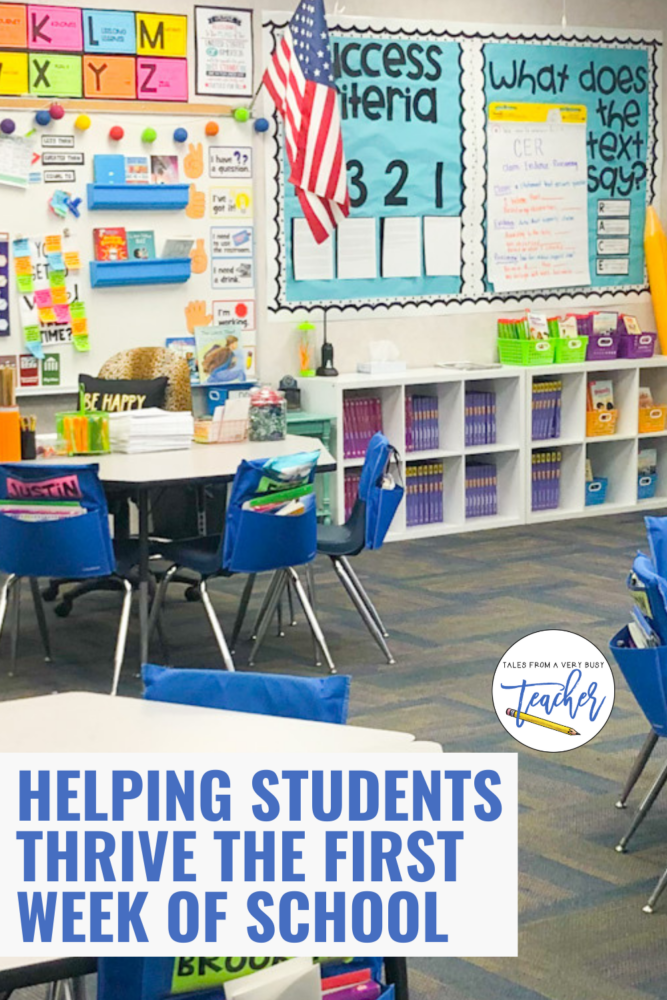

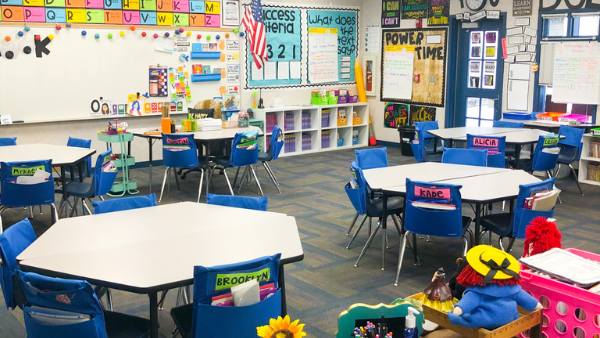
Back-to-school season is filled with preparation. Teachers spend weeks planning lessons, organizing materials, setting up classrooms, reviewing curriculum, and thinking through every detail that will help the year get off to a strong start. All of that preparation serves an important purpose: creating a classroom where students feel welcomed, supported, and ready to learn.
But as important as those preparations are, the first five days of school are about more than getting everything in place. They’re about helping students understand how to learn within that environment. The routines you establish, the expectations you communicate, and the confidence you begin building during those first few days will shape the culture of your classroom long after the first week is over.
Long before students master grade-level standards, they need something much more foundational. They need clarity. They need consistency. Most importantly, they need to believe that they can be successful in your classroom.
The first five days set the tone for the entire school year. They communicate what learning looks like, what is expected of students, and whether your classroom is a place where every learner can grow. If we spend those first days intentionally, we’re laying the groundwork for everything that follows.
Every Student Is Asking the Same Question
Although students rarely say it out loud, nearly every child walks into a new classroom wondering the same thing:
“Am I going to be successful here?”
They’re not just trying to figure out where to sit or when recess is. They’re trying to understand whether they’ll belong, whether they’ll be capable of doing the work, and whether this classroom feels safe enough to take risks.
As teachers, we answer those questions through the environment we create. Students gain confidence when they understand what’s expected of them, know how the classroom operates, and experience early success. When expectations are predictable and routines are clear, students spend less energy wondering what they’re supposed to do and more energy focusing on learning.
Teach Routines Before You Teach Content
One of the most valuable investments you can make during the first week is teaching classroom routines.
Many teachers spend the first day reviewing classroom rules. While expectations certainly matter, routines are what make those expectations come to life. Students need explicit instruction on how your classroom functions. They need to learn how to enter the room, transition between activities, ask for help, work collaboratively, and manage materials. None of these skills should be assumed.
Just as we wouldn’t expect students to solve a complex math problem without instruction, we shouldn’t expect them to instinctively know our classroom procedures. Modeling, practicing, providing feedback, and practicing again are essential parts of building a classroom where students can be successful.
When routines become automatic, students free up valuable cognitive energy that can be devoted to learning instead of simply figuring out what comes next.
Make Learning Visible From Day One
One of the biggest misconceptions I see is that learning goals and success criteria should wait until “real instruction” begins. In reality, the first week offers some of the best opportunities to establish this practice.
Every lesson, even lessons focused on classroom procedures, has a learning goal.
Instead of simply telling students, “Today we’re learning our classroom routines,” make the learning explicit.
For example, your learning goal might be:
We are learning how classroom routines help us become independent learners.
Your success criteria could include:
- I can enter the classroom independently.
- I can follow our morning routine.
- I can transition respectfully between activities.
By making the learning visible, you’re helping students understand that every activity has a purpose. You’re also beginning to establish a classroom culture where students aren’t simply completing tasks. They’re working toward clear learning intentions.
Give Students Opportunities to Experience Success
The first week of school should be filled with opportunities for students to experience success.
That doesn’t mean lowering expectations. It means creating learning experiences where students can quickly develop confidence in themselves as learners.
Choose activities that allow every student to participate. Provide specific, descriptive feedback instead of generic praise. Celebrate effort, perseverance, and growth. Most importantly, let students leave each day believing, “I can do this.”
Confidence isn’t built by telling students they’re capable. It’s built by giving them repeated opportunities to experience success.
Those early wins matter more than we sometimes realize.
Build Relationships Through Learning
When teachers think about relationship building, they often picture icebreakers, team-building games, or getting-to-know-you activities. Those certainly have value, but some of the strongest relationships are built during everyday instruction.
Students feel connected when teachers listen to their thinking. They feel valued when their ideas are acknowledged, and their questions are taken seriously. They build trust when teachers notice their effort, encourage their growth, and provide meaningful feedback.
Simple interactions can have a lasting impact.
- “I noticed the strategy you used.”
- “Tell me more about your thinking.”
- “I can see how hard you worked on that.”
These moments communicate something powerful: Your thinking matters here.
Over time, those instructional interactions often become the foundation of strong classroom relationships.
Observe More Than You Talk
The beginning of the school year is one of the best opportunities you’ll have to learn about your students.
As students work, observe carefully. Notice who eagerly volunteers and who hesitates before participating. Watch who naturally collaborates with classmates and who prefers to work independently. Pay attention to students who become frustrated easily, those who persevere through challenges, and those who quietly need encouragement.
These observations provide valuable information that no beginning-of-year assessment can fully capture.
The notes you take during the first week will help you make thoughtful instructional decisions, plan effective small groups, and better understand the unique strengths and needs of each learner.
Remember What Matters Most
Back-to-school season often brings pressure to create the perfect classroom. Teachers spend countless hours decorating bulletin boards, organizing supplies, laminating materials, and trying to make everything look just right.
There’s nothing wrong with wanting your classroom to be beautiful. In fact, I appreciate a well-designed classroom just as much as anyone else.
But beautiful classrooms don’t change student achievement on their own.
What students remember isn’t whether every border was perfectly straight or whether your bins matched your classroom theme. They remember how your classroom made them feel.
- Did they know what was expected?
- Did they understand what they were learning?
- Did they feel capable of being successful?
- Did they know they belonged?
Those are the questions that matter during the first five days of school.
If your students can answer “yes” by the end of the week, you’ve accomplished something far more important than creating a picture-perfect classroom. You’ve created a foundation where meaningful learning can flourish for the rest of the year.
And in the end, that’s what the first week of school is really about.